

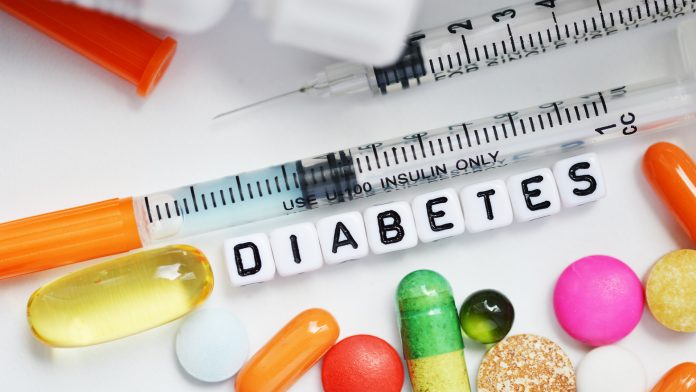
Diabetes is a chronic metabolic disorder due to functional deficiency of insulin action caused by decrease in insulin secretion by pancreas, resistance by target tissues or both leading to excess sugar (hyperglycemia) in the blood stream. In diabetes; the body either produce less hormone insulin or is unable to effectively use the produced insulin.
Defects in insulin action also result from increase in counter-regulatory hormones that oppose effects of insulin. These eventually increases risk of diabetes
TYPES OF DIABETES
Type 1 diabetes
Diabetes that resulting from destruction of beta cells that produce insulin in the pancreas with resulting insulin deficiency. The cause is not known but is believed to be associated with autoimmune process where your own body anti-bodies attack beta cells. Individuals are more like to develop ketoacidosis.
Type 2 diabetes
This type ranges from resistance to produce insulin with relatively deficiency of insulin due to feedback mechanism causing secretory defects. Ketoacidosis is uncommon.
Gestational diabetes
This type of diabetes develops in pregnant women increasing risk of developing type 2 diabetes later in life. Definite cause in not known, but excess weight, hormonal changes and sedentary lifestyle play roles Signs may range from sugar in urine, frequent urination, ease of fatigue and blurred vision Pregnant women can control gestational diabetes by eating healthy, exercising and taking medication
Other specific types
Includes the rare types of conditions primarily related to diabetes but specifically defined by genetics. Other types are diabetes related to drug use or other diseases.
Prediabetes- is when one has factors that put the individual at high risk of developing diabetes and its complications. The factors include impaired glucose tolerance (IGT), impaired fasting glucose (IFG) or glycated hemoglobin (Punthankee et al, 2018)
Chronic hyperglycemia affects specific microvascular structures of the following organs:
Eyes
Diabetes affects the eyes after an average of 5 years due to variations in blood pressure and blockade and leakage of proteins/blood in the eyes. Diabetic retinopathy is due to destruction of blood vessels in the back of the eye’s retina. Although, the body compensates for damaged blood vessels by growing new ones, the new blood vessels don’t function appropriately. Shrinking of lens and swelling with fluid of the eyes due to varying concentration of osmolality (difference in pressure) results in glaucoma and cataracts. Symptoms of diabetic retinopathy range from eye-floaters, blank areas and blurry vision
Kidneys
Kidney has a system containing millions of tiny tubules (nephrons) that perform filtration of waste from the blood stream. When these tiny vessels are damaged severely, blood pressure increases leading to diabetic nephropathy and eventually kidney failure in poorly controlled diabetes. 1 in 4 women and 1 in 5 men with type 2 diabetes are develops kidney nephropathy and is the leading cause of kidney failure in Kenya. In a diabetic individual, kidney’s filtration ability of glomeruli (group of blood vessels) is markedly reduced leading to proteins leak into urine and accumulation of waste
Severe Kidney damage in diabetics presents with
- Itchy, dry skin and swollen ankles
- Reduced appetite
- Easily fatique and muscle cramps
- Puffy eyes
- Frequent urination.
- Nerves

The journal of diabetes research asserts that nerve damage in diabetes is through increased free radicals in cells, increased inflammation, high blood pressure and high blood fats.
Peripheral neuropathy starts surprisingly early. In a study done in 467 people, ages 45-65 years done by university of Toronto approximately 20% of type 1 diabetes and 50% of individuals with type 2 diabetes develop nerve damage. Those with higher blood sugar are more like to develop nerve complications. Damage of nerves due to diabetes leads to diabetic neuropathy with symptoms mainly visible in legs, feet and erectile tissue. Though nerve damage is irreversible, you can prevent or slow progression by maintaining sugar level within the prescribed range.
The 3 p of diabetes
Polydipsia- an increase in thirst Polyuria-increased frequency of urination Polyphagia- a growing appetite
In the future articles we will discuss each of the subtopics above including diagnosis, risk factors, complications, prevention and management of diabetes.
Reach me for any questions, I reply
Further reading
Punthakee Z., Goldenberg R., and Katz P. Definition,classification and diagnosis of diabetes, prediabetes and metabolic syndrome. Canadian Journal of Diabetes. 2018; 42, S10-S15

 tenda Health
Leave a comment