
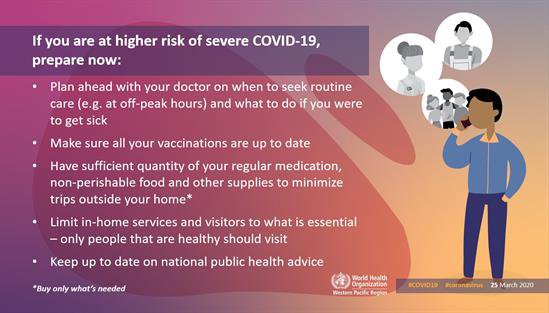
Firstly, there is not enough evidence to suggest diabetes patients are more likely to contact COVID-19. But there is evidence that they are at risk of developing more debilitating complications than the normal population. Although the more conditions an individual has the more at risk of developing the complications, older people are generally develop more complications than the young. They are at more risk of corona-virus-triggered complications.
More specifically, elderly more than 60 years old and have diabetes, heart disease or conditions affecting immune system develop severe complications in COVID-19 attack (WHO). Moreover, long standing systemic health and social inequalities exposes ethnic and minority groups at higher risk of contracting and dying from COVID-19 infection (CDC). It is thus important to mention that COVID-19 complications depend on age, ethnicity, and effectivity of the management of the diabetes (diabetes.com).
COVID-19 patients with diabetes are more likely to develop increased diabetic ketoacidosis. Fluid intake and electrolyte balance are ineffectively controlled. In severe cases septic and septic shock arise in COVID-19 cases. It’s advisable to know signs of diabetic ketoacidosis and reach care team incase of doubt on what to do.
Watch out for the following symptoms which may appear 2-14 days after exposure
- Cough, normally dry
- Shortness of breath with little activity
- Muscle fatigue, joint aches, and general body malaise
- Headaches, usually global
- New loss of taste or smell
- Sore throat
- Congestion or runny nose
- Nausea or vomiting
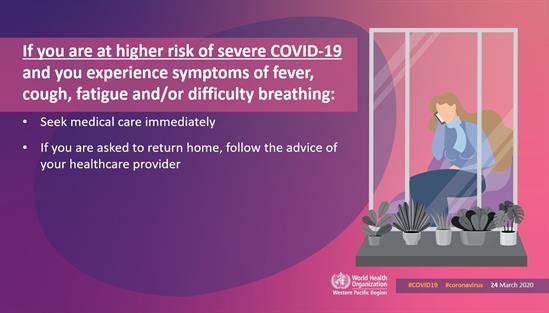
Signs and symptoms that indicate an emergency situation include.
- Difficulty breathing or shortness of breath
- Persistent pain or pressure in the chest
- New confusion
- Inability to wake or stay awake
- Bluish lips or face
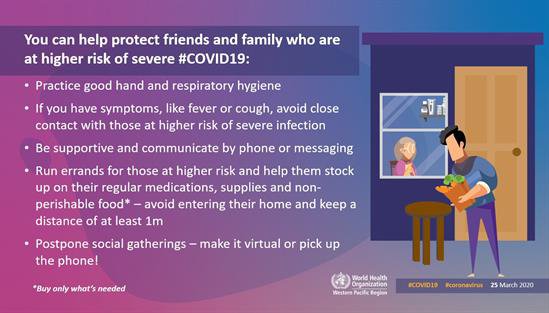
It’s important that you get COVID-19 vaccine to establish an immune system against the Corona virus. Remember that a flu shot does not protect you from Coronavirus. Moreover more caution should be taken for individuals above 65 years old with underlying chronic disease. The patients together with their household members should observe the following cautions
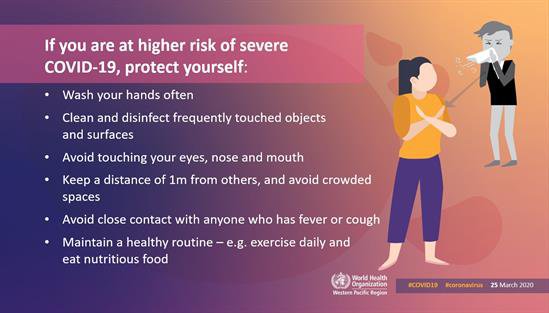
- Always cover nose and mouth with a mask everytime when out of the household.
- Wash hands frequently, especially before feeding or caring for the vulnerable person.
- Observe social distancing of 6 feet from people who don’t live in that household.
Venturing into the community during COVID-19
There is no definite procedure of eliminating contacting Corona virus completely. Primary prevention of spread is crucial in acutely reducing new infections. Therefore before venturing out evaluate factors to be considered, and especially those at risk- elderly above 65 and chronic disease survivors. They include.
What is the spread rate of COVID-19? Would you be exposed to individuals more exposed to risk of contacting the virus?
Are you confident in your ability to always protect yourself against potential contacts of infection?
In some countries, advocacies have been made to make COVID-19 vaccine more available to diabetics. (I.F.D) Check with your local community guidelines or inquire from your health care team.
Incase of any new info or further questions regarding this topic, reach us through the email or comment below.

 tenda Health
Leave a comment