

For many people with diabetes, lowering their blood sugar levels to a specific target is a constant goal. They are bombarded with ads and advice from drugmakers, doctors and public health officials to use medications and monitor their glucose to achieve an A1c score below 7%. This, they are told, can help them live longer and healthier lives.
But what if this goal is not only unrealistic, but also risky? What if the drugs and devices they use to lower their blood sugar can actually harm them, sometimes fatally?
That is the frightening possibility raised by a series of Reuters reports. They show how the aggressive push for blood sugar control has resulted in an increase in hypoglycemia, a medical emergency caused by dangerously low blood sugar levels. Hypoglycemia can result in dizziness, confusion, loss of coordination, coma, and death. And it is almost always an unintended consequence of diabetes treatment.
According to the Reuters investigation, the number of diabetics in the United States with healthy blood sugar levels has decreased in recent years, while the number of those with dangerously high or low levels has increased. It was also discovered that the pharmaceutical industry played a significant role in developing and promoting the blood sugar target, which increased the sales of diabetes drugs while also increasing the risk of hypoglycemia.
The investigation also revealed tragic examples of hypoglycemia taking the lives of diabetics who were attempting to adhere to blood sugar guidelines. One of them was Ron Carlson, a retired software engineer who passed away in 2019 after collapsing his motorcycle during a hypoglycemic episode. He was obsessed with lowering his A1c score to less than 7%, and he used multiple insulin injections and another glucose-lowering medication to do so. His wife, Lucy, stated that he had several episodes of hypoglycemia prior to his death.

“He really tried hard to be at” an A1c below 7%. “That is what actually killed him,” she told Reuters.
Robert Baker, a former Navy officer, died in 2014 after falling into a hypoglycemic coma at home. He was taking insulin and metformin, two of the most commonly used diabetes medications, and had an A1c of 6.5%, well below the target. Susan, his wife, said he had frequent bouts of hypoglycemia, which sometimes required hospitalization.
“He was doing everything he was supposed to do,” she said. “He was following the rules.”

According to the Reuters investigation, the blood sugar target of 7% or lower is not supported by solid scientific evidence. Many experts have questioned its validity and safety. In fact, some studies have found that strict blood sugar control can increase the risk of death, particularly in the elderly and those with other health issues.
The ACCORD trial was one of these studies, which was halted in early 2008 after it was discovered that diabetics who aimed for an A1c score of less than 6% had a higher mortality rate than those who targeted for a more moderate level. The trial included over 10,000 patients with type 2 diabetes, the most common type of the disease.
ADVANCE trial, Another study found no benefit of intensive blood sugar control on cardiovascular outcomes or death in more than 11,000 patients with type 2 diabetes. The trial also found an increased risk of hypoglycemia in the intensive group.
Despite these findings, the 7% or lower blood sugar target has remained the standard of care for most diabetics in the United States and many other countries. Since 1998, the American Diabetes Association, the leading professional organization for diabetes care, has supported this goal, which has received millions of dollars in funding from pharmaceutical companies. Even after the ACCORD and ADVANCE trials, the ADA has resisted calls to revise the target.
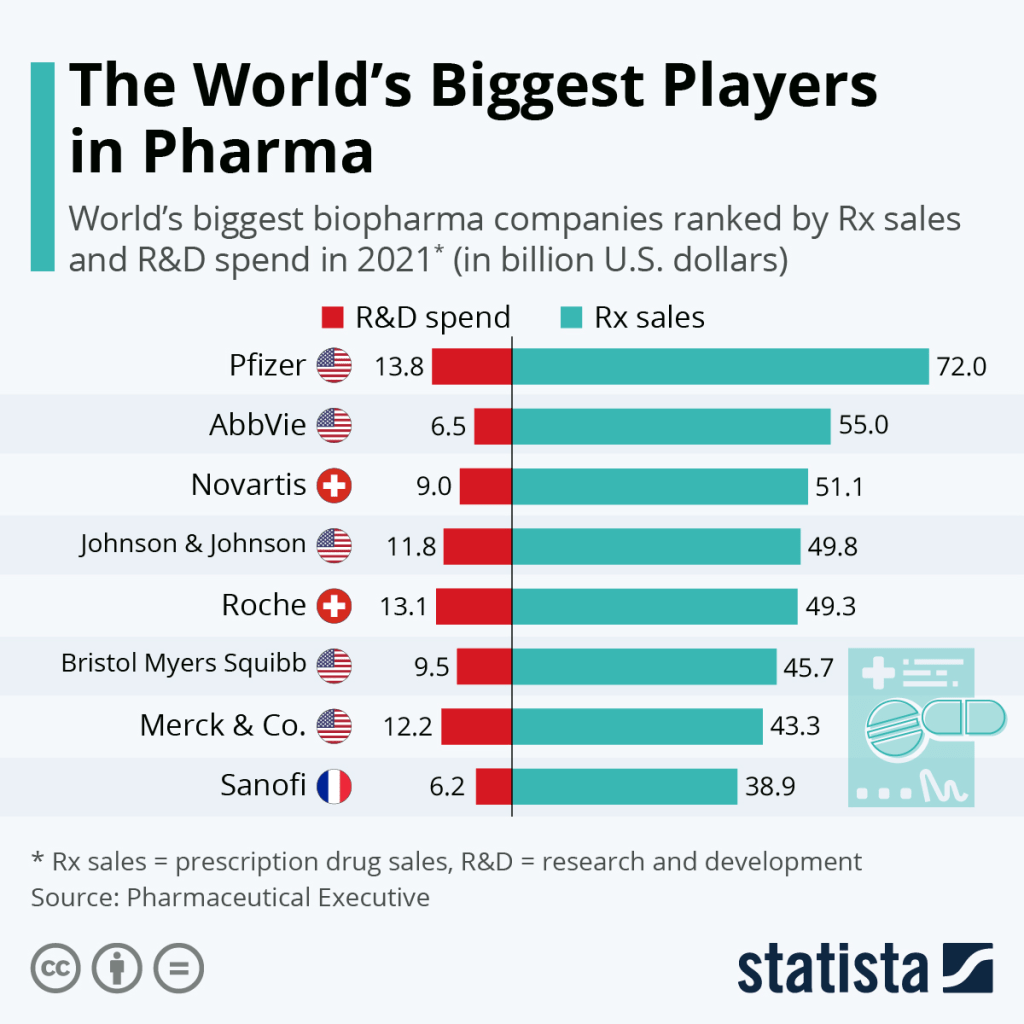
The Reuters inquiry additionally exposed how drug companies influenced blood sugar guidelines through lobbying, marketing, and funding of research and advocacy organizations. The pharmaceutical industry has spent billions of dollars developing and marketing new diabetes medications, some of which have been shown to lower blood sugar more effectively, but also more dangerously, than older drugs.
One example is the thiazolidinediones or TZD class of drugs, which includes rosiglitazone and pioglitazone. These drugs were widely prescribed until rosiglitazone was linked to an increased risk of heart attack, stroke, and heart failure in the early 2000s. The FDA restricted the drug in 2010, and sales plummeted. Pioglitazone, a still-on-the-market medication, has been linked to an increased risk of bladder cancer.
Another example is the SGLT2 inhibitor class of drugs, which includes canagliflozin, dapagliflozin, and empagliflozin. These medications cause the kidneys to excrete excess glucose in the urine, which lowers blood sugar but increases the risk of dehydration, urinary tract infections, and genital infections. The drugs have also been linked to a rare but serious condition known as diabetic ketoacidosis, which occurs when the body produces excessive amounts of acids known as ketones.
Reuters highlighted how pharmaceutical companies used aggressive marketing campaigns to convince diabetics and doctors to use their products and aim for the blood sugar target. Celebrities such as singer Patti LaBelle and actor Tom Hanks have frequently appeared in the campaigns, sharing their personal stories of living with diabetes and achieving blood sugar control. Emotional appeals have also been used in the campaigns, such as images of diabetics hugging their loved ones or enjoying their hobbies.
Pharmaceutical companies funded research and advocacy groups that supported the blood sugar target and the use of their drugs. The American Association of Clinical Endocrinologists, the American Association of Diabetes Educators, the American College of Physicians, and the American Geriatrics Society are among these organizations. Some of these organizations have also received federal funding, which has also endorsed the blood sugar target.
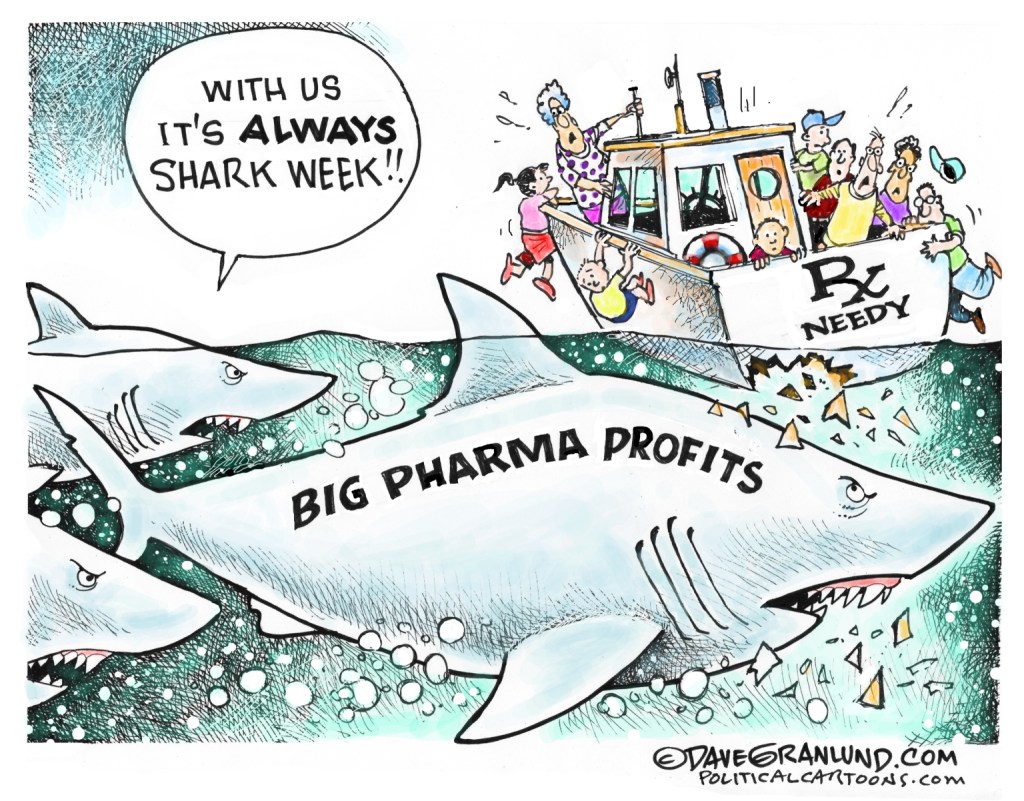
Reuters raised serious concerns about the accuracy and safety of the blood sugar target and the medications used to achieve it. It has also emphasized the importance of conducting more independent and rigorous research on the optimal level of blood sugar control for diabetics, as well as the potential harms and benefits of various diabetes drugs. It has also urged greater transparency and accountability from the pharmaceutical industry, medical profession, and public health authorities that set diabetes care standards.
Reuters urged diabetics and their doctors to be more mindful of the risks of hypoglycemia and to tailor their treatment plans to their age, health status, preferences, and goals. It has also been proposed that diabetics should pay more attention to other aspects of diabetes management, such as diet, exercise, blood pressure, and cholesterol, as these can have a greater impact on their health and quality of life than blood sugar alone.
The investigation has also given hope and inspiration to diabetics who have struggled with blood sugar control and hypoglycemia and have felt guilty or ashamed for not meeting the target. It has demonstrated that they are not alone and that they can live well with diabetes without jeopardizing their lives.
P.S What are your thoughts on this? Have questions? Go ahead.

 tenda Health
Leave a comment