
Stroke
-
Trends in Stroke: How Technology and Therapy Are Improving Outcomes

Stroke is a serious medical condition that affects millions of people worldwide every year. It occurs when the blood supply to a part of the brain is interrupted, causing brain cells to die. Stroke can lead to permanent disability or death if not treated quickly and effectively. Fortunately, the incidence of stroke-related emergencies has decreased… Continue reading
-
The Link Between Anger and Stroke: Tips on How to Lower Your Risk.

It is well recognized that anger, emotional distress, and other negative emotions raise the risk of stroke, particularly in the hour following their experience. But what is the scientific basis for this relationship? What impact do our emotions have on our brain and blood vessels? The stress response—also referred to as the fight-or-flight response—holds the… Continue reading
-
A 17- word story about Stroke
He woke up in a hospital bed. His wife was crying. He didn’t remember who she was. Continue reading
-
Virtual reality in stroke management and rehabilitation

As technological breakthroughs and capacities increase, so does the capability of gadgets and portable devices to aid in the prevention of strokes and the management of stroke patients’ care. Here are some things you should know about strokes and how to handle them with technology: How does stroke occur? The disorder is characterized as a… Continue reading
-
Cerenovus aneurysm device for Treating Intracranial Aneurysms

Stroke is a deadly disease that affects 15 million people yearly, with hemorrhagic lesions contributing to 13 percent of total strokes. Hemorrhagic strokes are caused by aneurysms, which occur when a weak point of a vasculature expands till it punctures thus bleeding into the brain. Cerenovus’ BRAVO Flow Diverter device, that could be used to cure patients… Continue reading
-
Women under the age of 35 have a 44 percent higher chance of having an ischemic stroke than their male counterparts.

Recent evidence suggests that young women (18–45 years) may be at higher risk of ischemic strokes than men of the same age. Researchers looked at the variations in stroke incidence between men and women in distinct young adult age groups. They looked at studies published and indexed on PubMed, one of the world’s largest online… Continue reading
-
Stroke: how mild or transient ischemic stroke Disrupts Neural Processing

Julia was grateful for prompt treatment and a quick recovery after suffering a mild stroke. However, when she resumed her typical routines, she noticed an unexpected side effect. She was unable to maintain the back and forth between participants in work meetings. When she was asked for her own thoughts, she realized she didn’t understand… Continue reading
-
5 uncommon tips you must remember daily to reduce risk of getting chronic conditions

1. You can skip that breakfast, but…? The only way skipping breakfast can help you is through overnight fasting- entailing an early supper before bed and taking upto 16 hours (as if it matters) before the next meal. Sugar and insulin levels drop forcing fat breakdown as an energy source. However, research has found that,… Continue reading
-
Sunday dose of humor: Diabetes and Stroke jokes
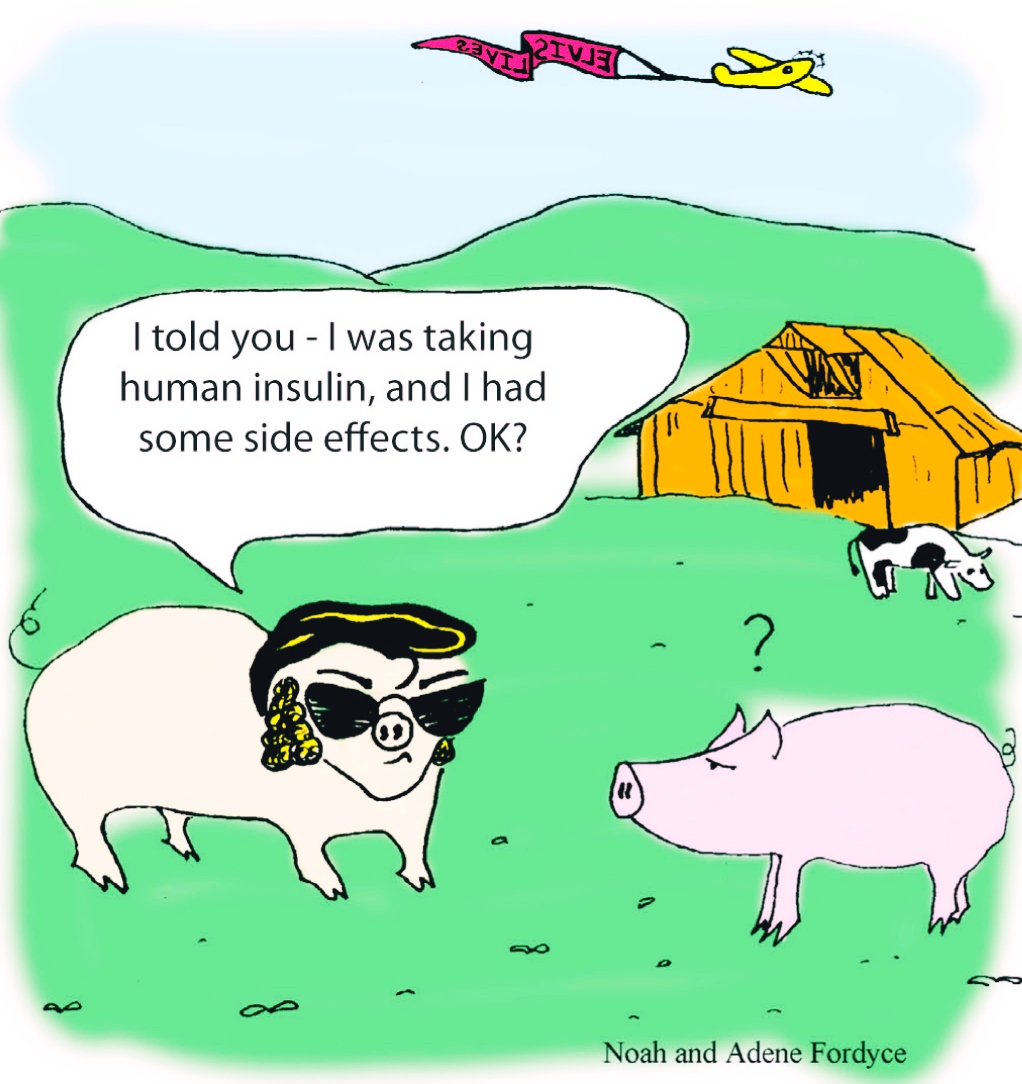
There are many people who are ignorant, misinformed, and insensitive. Everything and everyone is subjected to jokes and comments; it’s just a part of life, and you learn to roll with the punches. However, in comparison to other illnesses and diseases, I’ve found that stroke and diabetes frequently becomes the brunt of jokes or is… Continue reading
-
Stroke Survivor Complications: Pain due to Shoulder Subluxation.

According to Stroke.org upto 84% of stroke survivors experience shoulder pain episode associated with shoulder subluxation and motor impairment. What is shoulder subluxation and how does it happen? It’s a partial dislocation of the shoulder joint, simply put. It’s commonly caused by weak rotator cuff muscles, which connect the upper arm bone to the shoulder… Continue reading
 tenda Health