
Tenda Health
-
How Visceral (Belly) Fat Affects Your Leptin Levels, Hunger, and Diabetes Risk

You probably know that having too much body fat is bad for your health. But did you know that not all fat is created equal? Some fat is stored under your skin, while some fat is stored around your organs. The latter is called visceral fat, and it’s the most dangerous type of fat for… Continue reading
-
Researchers Warn of Dangers of Using Fitness Games to Exercise in Type-1 Diabetes

Key elements of the post: If you have type 1 diabetes, you are aware of how crucial it is to check your blood sugar levels both before and after working out. You also understand that whether you are exercising virtually or in real life, you need to modify the intensity. But how do you measure… Continue reading
-
7 Tips for Diabetics to Maintain Blood Sugar Levels

Diabetes is a chronic disease that affects millions of people worldwide. It is a condition where the body is unable to produce or effectively use insulin, which is responsible for regulating blood sugar levels. Maintaining blood sugar levels is crucial for people with diabetes as uncontrolled blood sugar levels can lead to serious health complications.… Continue reading
-
Sunday dose of humor: Diabetes and Stroke jokes
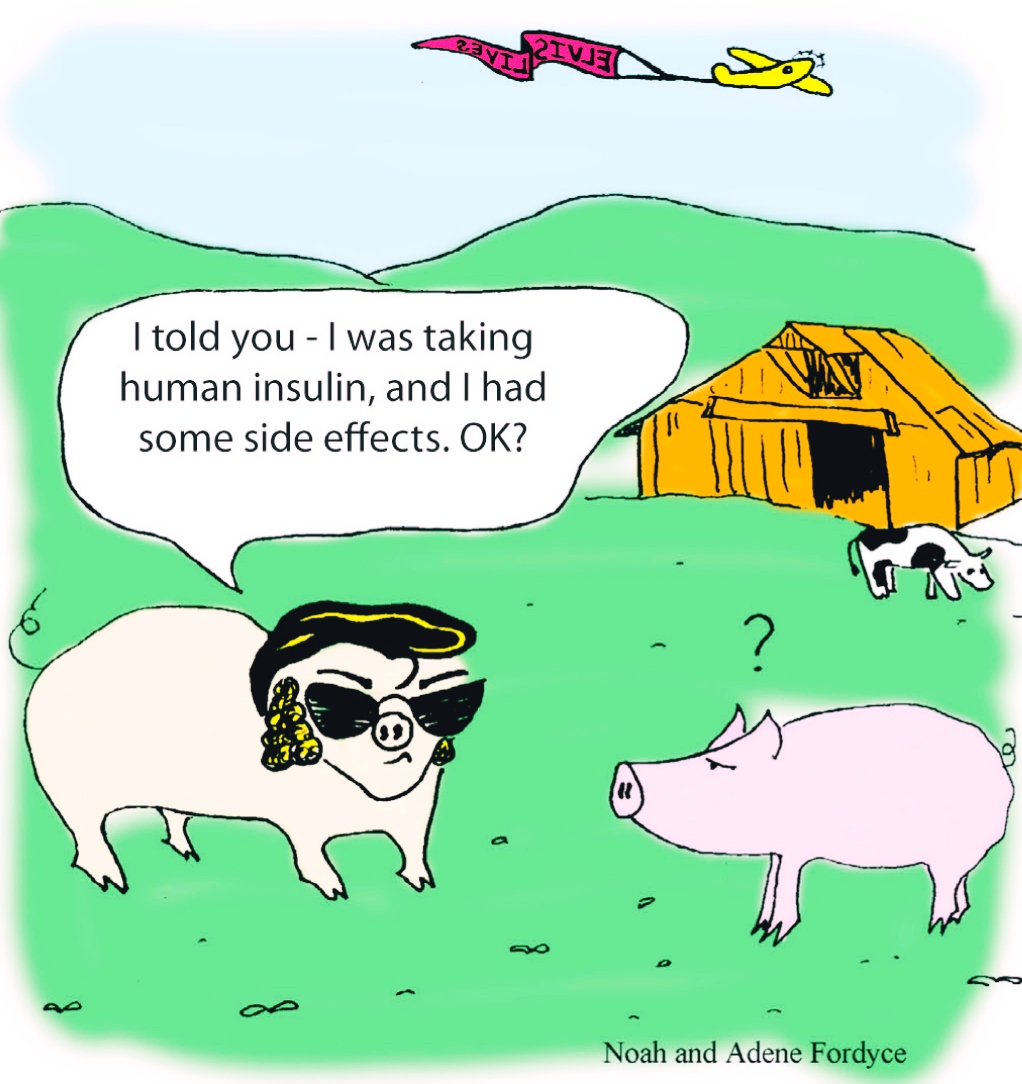
There are many people who are ignorant, misinformed, and insensitive. Everything and everyone is subjected to jokes and comments; it’s just a part of life, and you learn to roll with the punches. However, in comparison to other illnesses and diseases, I’ve found that stroke and diabetes frequently becomes the brunt of jokes or is… Continue reading
-
Diabetic Tech: Biosensing Contact Lenses that can Measure Glucose Levels and Treat Diabetes.

Firstly, do you remember that World Health Organization prediction that Chronic disease numbers will surpass communicable disease (such as malaria) approximately by 2030? It’s one reason i share information on health technology on that focuses on chronic disease self-management. I foresee a future transformation from painful pricks (Invasive techniques) to automated non-invasive techniques in measuring… Continue reading
-
Stroke Survivor Complications: Pain due to Shoulder Subluxation.

According to Stroke.org upto 84% of stroke survivors experience shoulder pain episode associated with shoulder subluxation and motor impairment. What is shoulder subluxation and how does it happen? It’s a partial dislocation of the shoulder joint, simply put. It’s commonly caused by weak rotator cuff muscles, which connect the upper arm bone to the shoulder… Continue reading
 tenda Health